
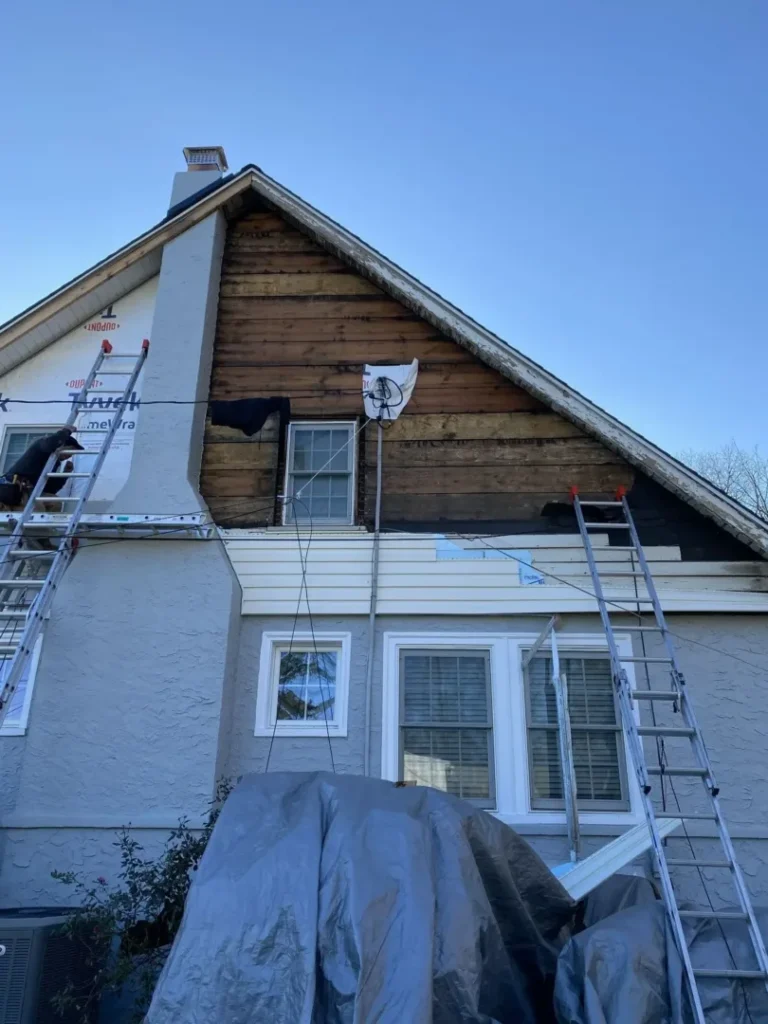
A garage can offer more than storage. With the right plan, it can become a comfortable and functional extension of your home. A garage addition gives you the opportunity to increase usable space without expanding the footprint of the house.
At Rose Tree Construction, we help you evaluate how a garage conversion can support your layout, your routine, and your long-term goals.
Many homes in Delaware County include garages that are underused or no longer meet current needs. Converting that space can create a new living area that feels fully integrated with the rest of the home.
Why Consider a Garage Addition?
A garage addition to house living space can provide flexibility without the complexity of a full expansion. The structure is already in place, which can simplify certain aspects of the project compared to building from the ground up.
Garage addition ideas often focus on improving everyday function. This may include creating a family room, home office, guest space, or expanded kitchen area. When designed properly, the converted space feels natural and consistent with the rest of the home.
What Should You Evaluate Before Starting?
Before moving forward, it is important to assess the structure of the garage. Ceiling height, foundation condition, insulation, and access points all influence how the space can be used.
Attached garage addition ideas often involve connecting the converted space more directly to the main living areas. This may require changes to walls, doorways, or circulation paths to create a cohesive layout.
It is also important to review how the conversion will affect storage. Many garages serve as overflow space for tools, seasonal items, and equipment. Planning for alternative storage solutions early helps maintain organization and prevents the new living space from becoming cluttered over time.
How Do Zoning and Permits Affect Garage Conversions?
Garage conversions typically require permits and must comply with local zoning rules. These requirements vary by municipality in Delaware County.
Zoning may influence how the space can be used, especially if the garage is being converted into a bedroom or separate living area. Building codes will also apply to insulation, electrical systems, and emergency egress.
What Layout Options Work Best for a Garage Conversion?
The layout should reflect how you plan to use the space. A garage can be transformed into a variety of living areas depending on your needs.
Common garage addition ideas include open living spaces, private guest rooms, or dedicated work areas. The key is to design the layout so it flows naturally with the existing home rather than feeling like a separate addition.
How Do You Make the Space Feel Like the Rest of the Home?
One of the most important parts of a garage conversion is creating a consistent look and feel. Flooring, wall finishes, and ceiling treatments should match or complement the rest of the house.
Lighting also plays a major role. Garages often lack natural light, so adding windows or layered lighting can make the space feel more open and comfortable.
What Structural Updates Are Usually Needed?
Garages are not typically built to the same standards as living spaces. Converting the area often requires insulation upgrades, HVAC integration, and electrical work.
Floor levels may also need adjustment to align with the rest of the home. Addressing these structural elements early helps create a finished space that feels seamless and comfortable.
How Can a Garage Conversion Add Long-Term Value?
A well-executed garage addition can increase both functionality and property value. The added square footage becomes usable living space, which can make the home more appealing over time.
Garage addition to house projects that focus on layout, durability, and consistent design tend to hold value. The goal is to create a space that feels like it has always been part of the home.
How Do Utilities and Systems Factor Into a Garage Conversion?
Heating and Cooling Systems
Converting a garage into living space requires careful planning around mechanical systems. Heating and cooling must be extended into the new area so the space stays comfortable year-round. This often involves tying into the existing HVAC system or installing a dedicated solution depending on the layout and capacity of the current system.
Electrical Upgrades
Electrical upgrades are also common. Additional outlets, updated lighting, and proper circuit capacity are needed to support everyday use. Garages are typically wired for limited functionality, so bringing the space up to residential standards is an important step in the conversion process.
Plumbing
Plumbing may be required if the design includes a bathroom, kitchenette, or laundry area. Adding plumbing involves evaluating existing lines, drainage, and accessibility within the structure. These considerations should be addressed early in the planning phase to avoid complications once construction begins.
Insulation
Insulation and ventilation also play a role in how well the space performs over time. Garages are often built with minimal insulation, which can lead to temperature fluctuations. Upgrading insulation and improving airflow helps create a more stable and comfortable environment that feels consistent with the rest of the home.
How Does This Compare to a Full Addition?
In some cases, converting a garage is more practical than building outward. It allows you to work within the existing structure and still gain usable space.
For homeowners considering multiple options, comparing a garage conversion with broader home addition projects can help clarify which approach best fits the property and long-term plans.
What Role Does Design Play in the Final Result?
Design decisions shape how the space functions and how it connects to the rest of the home. Materials, layout, and lighting all contribute to the final outcome.
Working with an experienced team helps ensure that the design aligns with both structural requirements and your goals. Homeowners should look for guidance from a trusted remodeling company when planning a conversion project.
Planning Your Garage Conversion
A garage conversion should be approached with clear planning and realistic expectations. From structural updates to design choices, each step plays a role in the final result.
If you are considering a garage addition and want to understand how the process works for your home, reach out to Rose Tree Construction today.