
Starting a renovation can feel exciting, but even well-intentioned projects can run into trouble without the right preparation.
Many homeowners underestimate how complex remodeling can be, which leads to delays, budget strain, and disappointing results. Understanding common home renovation mistakes helps set realistic expectations and protects both your time and investment.
Whether you are planning a small update or a full remodel, knowing how to avoid renovation mistakes early makes the entire process smoother and more predictable. The careful decisions made at the start often determine whether a project feels manageable or overwhelming once work begins.
Here are five of the most common home renovation mistakes to avoid as you transform your space:
1. Skipping the Planning Phase
One of the most frequent home renovation mistakes happens before work even begins. Rushing into construction without a clear plan often creates confusion, cost overruns, and unfinished details. Homeowners sometimes focus on the visual outcome without fully considering logistics, sequencing, or long-term functionality.
Planning gaps often surface after demolition starts, when decisions suddenly feel urgent. At that point, changes are harder to make and usually more expensive.
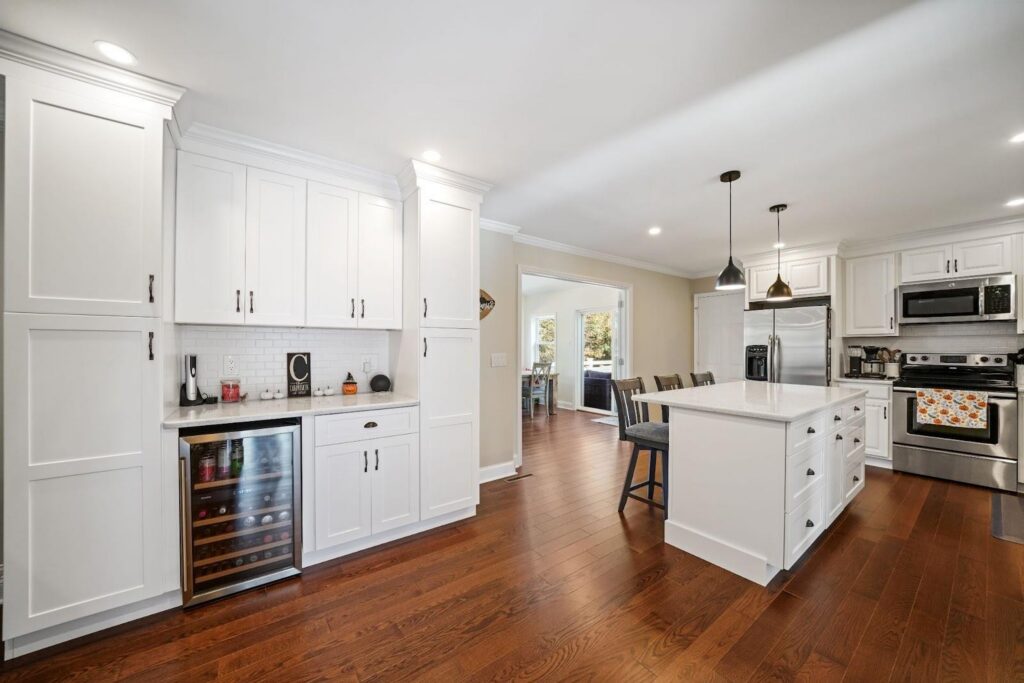
This is especially true in kitchens, where layout, appliance placement, and daily routines are all affected. Homeowners who prepare for the realities of living through construction often experience fewer disruptions during a kitchen remodel.
Why Planning Matters
A renovation plan should define the project scope, timeline, and design choices before materials are ordered or contractors arrive. Renovation planning errors often lead to last-minute decisions that increase labor costs and slow progress. Clear planning also helps prevent changes that disrupt permits, inspections, or structural requirements.
Planning also provides an opportunity to think through how the space will be used day to day. Storage needs, traffic flow, lighting, and future maintenance all benefit from early consideration rather than mid-project adjustments. These details often determine how satisfied homeowners feel after the renovation is complete.
How To Avoid This Mistake
Take time to outline goals, priorities, and limitations before starting. Detailed planning allows homeowners to anticipate challenges and make informed decisions instead of reacting under pressure. Reviewing plans carefully before construction begins helps reduce stress and keeps expectations aligned with reality.
2. Underestimating the Budget
Home renovation budget mistakes are common, even among experienced homeowners. Many projects exceed expectations due to overlooked costs, design changes, or material upgrades that seem minor individually but add up quickly.
Budget shortfalls often force difficult choices later, especially when funds run low near the end of a project. These situations can create tension and limit options when flexibility is most needed.
Hidden Costs Add Up
Expenses like permits, disposal fees, structural repairs, and temporary living arrangements often catch people off guard. Older homes may reveal issues behind walls or beneath flooring that require immediate attention. Choosing finishes based only on initial price can also increase long-term costs through repairs or replacements.
Budget strain often leads to rushed decisions or compromises that affect the final result. These pressures can impact both the quality of work and the homeowner’s overall satisfaction with the space.
Smarter Budgeting Strategies
Building a realistic budget includes setting aside funds for unexpected issues. A financial cushion helps prevent stressful decisions and allows the project to continue without compromise. Reviewing estimates carefully and understanding what is included reduces surprises as work progresses and improves overall financial control.
3. Choosing the Wrong Contractor
Hiring the wrong contractor ranks high among common home remodel mistakes. Price alone should not determine who handles your renovation. Experience, communication, and reliability play a major role in how smoothly a project unfolds.
The contractor is your central point of coordination, which makes trust and clear communication essential from the very beginning.
Red Flags to Watch For
Lack of proper licensing, unclear estimates, or limited references can signal future problems. Poor communication often leads to misunderstandings about expectations, timelines, and responsibilities. Contractors who rush decisions or avoid written agreements may create complications later.
Inconsistent scheduling, vague answers, or pressure to move forward quickly can also indicate potential issues during construction.
Making a Better Choice
Research, references, and written agreements protect both parties. A qualified home remodeling contractor provides transparency, sets realistic timelines, and helps avoid remodeling mistakes to avoid during construction. Taking the time to choose carefully supports better outcomes and fewer surprises throughout the project.
4. Skipping Necessary Permits and Regulations
Skipping necessary permits and regulations may seem like a way to save time or money, but it frequently causes serious complications later. This mistake can affect safety, resale value, and legal compliance long after the renovation is finished.
Permit requirements exist to protect homeowners, even when they feel inconvenient.
Long-Term Consequences
Unpermitted work may fail inspections, delay project completion, or require costly corrections. It can also create problems during home sales when buyers request documentation. In some cases, homeowners may be required to undo completed work to meet code requirements.
These issues often surface at inconvenient times, adding stress and expense that could have been avoided with proper planning.
Staying Compliant
Understanding local requirements before work begins reduces risk. Proper permits confirm that renovations meet safety standards and building codes. Compliance protects both the homeowner and the property over time, especially when ownership changes.
5. Changing Plans Mid-Project
Frequent design changes disrupt schedules and increase costs. Many homeowners underestimate how adjustments affect labor, materials, and coordination once construction is underway.
Even well-intended changes can create unexpected delays, particularly where multiple trades rely on precise sequencing, such as in kitchen remodels.
Why Changes Become Expensive
Once construction begins, revisions often require undoing completed work or reordering materials. This leads to delays and additional labor charges. Even small changes can create ripple effects that impact multiple trades and scheduling sequences.
Mid-project changes also increase the likelihood of miscommunication, which can result in mistakes or inconsistent finishes.
How to Keep Projects on Track
Finalizing decisions early helps avoid renovation planning errors that derail progress. Sticking to the original scope supports efficiency and cost control. Clear communication and patience play an important role in maintaining momentum from start to finish.
The Path to a Successful Home Renovation
Successful renovations depend on preparation, communication, and informed decision-making. Recognizing home renovation mistakes before they happen helps prevent unnecessary setbacks and creates a smoother experience from start to finish.
If you are planning a renovation and want experienced guidance from the start, Rose Tree Construction can help you avoid costly mistakes and keep your project on track.
Contact Rose Tree Construction to discuss your goals and get expert insight before work begins.